EV and Clean Air Vehicle Decals in California: HOV Access Explained
Quick Answer: If you searched for a clean air vehicle sticker California drivers can still use for solo carpool lane access, the key update is that the Clean Air Vehicle Decal Program officially ended on September 30, 2025. CAV decals no longer let single-occupant electric or plug-in hybrid vehicles use California HOV lanes. Drivers must now follow posted occupancy rules, pay required tolls, and avoid solo HOV use that can result in an HOV violation ticket with a minimum $490 fine.
Many drivers still have Clean Air Vehicle decals on their cars, which is where the confusion starts. Even if your sticker is still attached, it no longer protects you from a ticket if you drive alone in a restricted lane.
This guide explains what changed, how California HOV lanes work now, and how CAV decals differ from standard California registration stickers or plates.
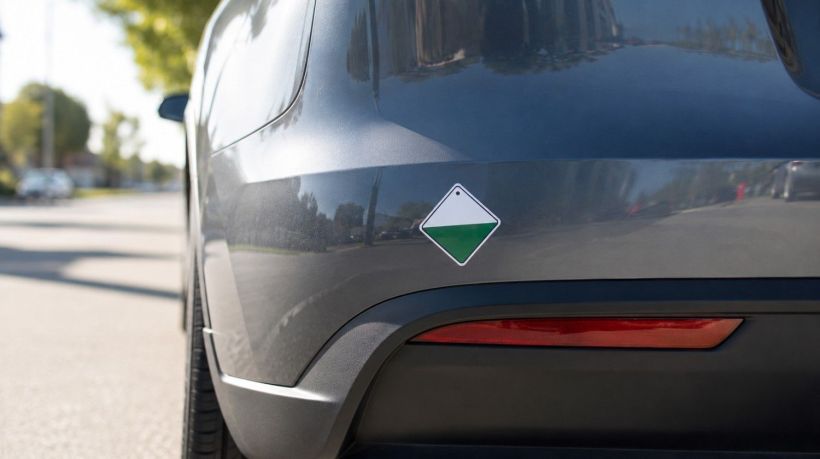
What the Clean Air Vehicle sticker meant in California
The clean air vehicle sticker California drivers ask about was officially part of the Clean Air Vehicle Decal Program. Drivers often say "sticker," but the California DMV and the California Air Resources Board (CARB) use the official term "decal."
The program gave qualifying electric, plug-in hybrid, and other clean-air vehicles access to eligible carpool or high-occupancy vehicle (HOV) lanes with fewer occupants than normally required. For many drivers, that meant solo access to certain lanes with a valid decal.
Why California's Clean Air Vehicle decal program ended
California's Clean Air Vehicle decal program ended because the federal authority behind it expired. On its End of California's Clean Air Vehicle Decal Program page, CARB states that all CAV decals expired as of October 1, 2025, and that Congress has not extended the program.
Starting October 1, 2025, old decals no longer work for solo access. Drivers must now follow posted occupancy requirements for California HOV lanes, even if the decal is still attached to the vehicle.
That means decal color, issue date, and past eligibility don't change the rule. The decal is now only a sign that the vehicle once qualified, not current permission to drive alone in a carpool lane.
How California HOV lanes work now for EV drivers
With the decal benefit gone, the lane signs decide who qualifies. The rule comes from posted occupancy requirements, not the car's fuel type or an old decal.
Follow the posted occupancy rule
On the California DMV's Clean Air Vehicle Decals page, the DMV states that vehicles must meet posted occupancy requirements for carpool or HOV lanes, pay required tolls, or risk a citation.
If a lane requires two or more occupants, a solo EV driver doesn't qualify. If a lane requires three or more occupants, two people aren't enough. Requirements can vary by corridor, time of day, and facility.
Do not assume an EV qualifies by itself
Driving an electric car doesn't create a separate HOV exemption. An old California HOV sticker doesn't change the passenger rule or protect a solo driver from enforcement.
Before entering the lane, check the sign, count the passengers, and confirm any toll or express lane rules that apply.
What changed for tolls, express lanes, and fines
The decal change affects more than lane access. It also affects what solo EV drivers may owe when using toll roads, express lanes, or restricted HOV lanes.
CAV toll discounts and exemptions ended
FasTrak's Discounts page states that clean air vehicles no longer receive Clean Air Vehicle discounts on certain California toll facilities. That means a solo EV driver should not assume a lower toll, toll-free trip, or special express lane discount just because the vehicle has an old decal.
Toll rules can vary by bridge, express lane, toll road, and FasTrak setting. Check the rules for that specific facility before driving.
Solo HOV violations can lead to fines
On its High-Occupancy Vehicle Systems page, Caltrans states that the California Highway Patrol is responsible for HOV lane enforcement. The same page states that an HOV lane violation ticket is a minimum $490 fine, and the amount may be higher for repeat offenders or when local county administrative fees apply.
An expired CAV decal is not a defense for solo HOV use. If the posted lane rule requires more occupants than you have, do not enter the lane.
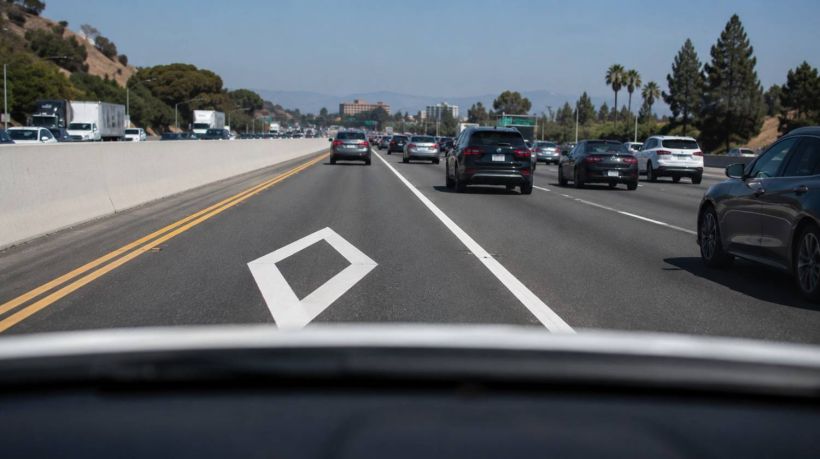
What EV drivers should check before using an HOV lane
Before entering an HOV or express lane, make three quick checks. Your vehicle type, old decal, and past eligibility do not override the lane's current posted rules.
1. Check the lane signs
Look for the posted occupancy rule, such as 2+ or 3+, along with time-of-day rules, express lane notices, and toll-related signs.
2. Confirm your passenger count
Count actual occupants, not vehicle type. A solo EV does not qualify unless another posted rule clearly allows it. An EV with enough passengers may qualify if it meets the rule for that lane.
3. Review express lane or FasTrak rules
Express lanes may have separate toll policies, account settings, and transponder requirements. If you use FasTrak, review your account and that facility's rules before assuming any discount applies.
Frequently asked questions
Can I still use a Clean Air Vehicle sticker in California?
No. A Clean Air Vehicle sticker in California no longer allows solo HOV travel. Drivers must follow the posted carpool lane occupancy rule.
Can electric cars still use California HOV lanes?
Yes, if they meet the posted occupancy requirement. An electric car can use California HOV lanes when it has enough occupants for that lane. EV status alone does not qualify the vehicle.
Do old California HOV stickers still work?
No. An old California HOV sticker no longer gives a solo driver access to HOV or carpool lanes. CARB's End of California's Clean Air Vehicle Decal Program page states that there is no grace period and the decal is not valid for lawful carpool lane travel after September 30, 2025.
Can I apply for a new or replacement Clean Air Vehicle decal?
No. California DMV's Clean Air Vehicle Decals page states that DMV stopped accepting new and replacement CAV decal applications on Aug. 29, 2025, at 5 p.m. The program has ended, so new decals are not available for HOV access.
Do Clean Air Vehicle decals still give toll discounts?
No. CAV-based toll discounts ended on certain California toll facilities. FasTrak's Discounts page states that clean air vehicles no longer receive discounts on certain California toll facilities.
Need help with a standard California registration sticker or plate?
We know the end of CAV stickers is frustrating, especially if one is still attached to your vehicle. If you found this page while searching for clean air vehicle sticker California guidance, the important distinction is that CAV decals can't be replaced to restore solo HOV access.
Xtreet's replacement service is only for eligible standard California registration stickers, license plates, and registration cards. It does not replace CAV decals, restore carpool lane privileges, remove toll charges, or resolve HOV citations. What it can do, as a California DMV-authorized online service, is handle a standard sticker, plate, or registration card replacement without a field-office trip, filed online and mailed to you. So if the CAV decal question led you here but your real need is a missing or damaged registration tab, that part is straightforward.
If your issue fits a standard replacement request, have your vehicle details, owner information, and shipping address ready. Get a free replacement estimate today!