How to Fix Title Jumping Issues in California
Quick Answer: Title jumping, also called title skipping, happens when someone sells a vehicle without ever having transferred the title into their own name.
The result is a gap in the ownership chain that the California DMV will not allow you to bridge with a standard transfer. To register a vehicle with a jumped title in your name, you need to reconstruct the missing chain of ownership using bills of sale from each intermediate owner, signatures where those owners can be reached, and a Statement of Facts (REG 256) documenting the gap where they can't. In some cases, a Motor Vehicle Ownership Surety Bond is required.
Title jumping is illegal in California, and the consequences fall primarily on the final buyer.
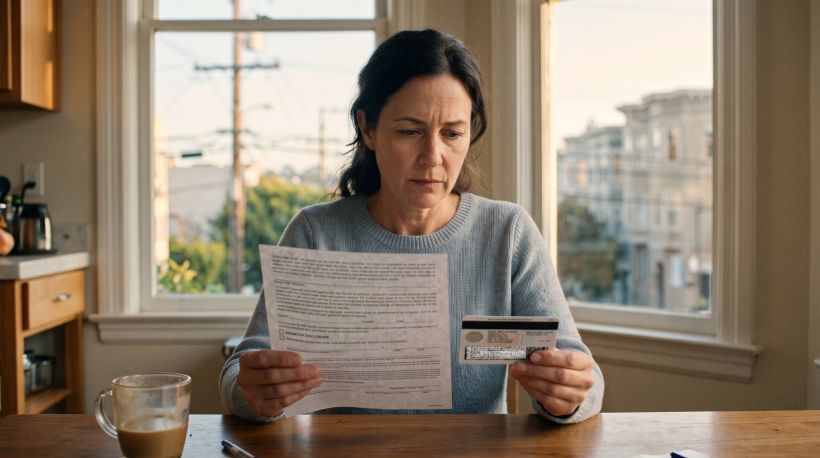
You found the car, agreed on a price, and received what looks like a signed title. But when you compare the name on the title to the name on the seller's ID, they don't match. Or you take the title to the DMV, and the clerk tells you the registered owner in their system is someone different from the person who signed the transfer section.
This is title jumping, and it is one of the more frustrating ownership problems a California buyer can inherit, because the person who caused it is often long gone, and the person left holding the paperwork problem is you.
California requires every owner in a vehicle's chain of ownership to formally record that ownership with the DMV before selling. When someone skips that step: buying a car, never titling it in their name, and signing over the previous owner's title to the next buyer, they create a gap the DMV has no record of. You end up with a title signed by someone who was never the registered owner, which means the transfer the DMV will see is from the original registered owner to you, with an unaccounted-for middle transaction that makes the document legally incomplete.
This guide covers what title jumping is, why it happens, what the legal consequences are in California, and every legitimate path to getting a clean title in your name.
What Title Jumping Is and Why It Happens
Title jumping is when someone takes ownership of a vehicle, never transfers the title into their own name through the DMV, and then signs the existing title over to the next buyer as if the previous registered owner sold it directly.
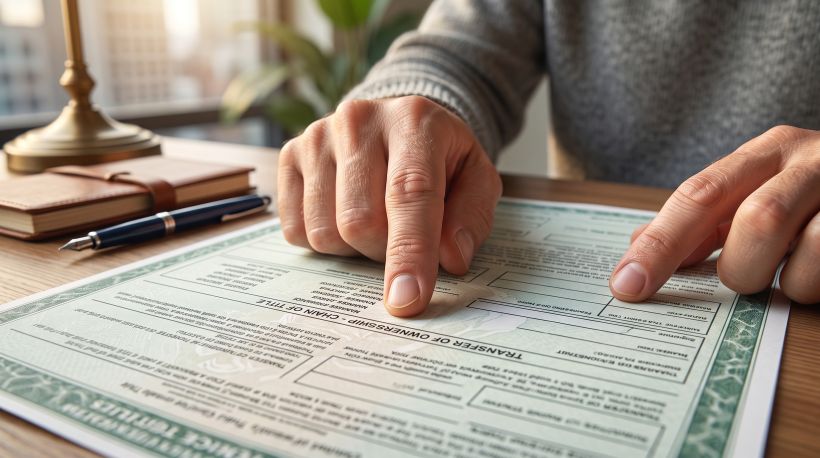
The paperwork skips an owner. That skipped owner, the person who actually sold you the car, has no name on any DMV record, which creates a chain-of-ownership gap the DMV cannot resolve through a standard title transfer.
The practice is sometimes called an open title or a skipped title. "Open" refers to the fact that the buyer section of the title was signed by the previous owner but never submitted to the DMV, leaving the document open for the next buyer's name to be filled in.
Dealers and flippers have historically used open titles to buy and resell vehicles quickly without paying the use tax and registration fees that come with each formal transfer. For a private seller moving one car, it might simply be ignorance of the requirement rather than deliberate evasion.
Regardless of motivation, the legal consequence is the same.
Title jumping is illegal in California under California Vehicle Code Section 4463(a)(1), which prohibits displaying or possessing a fraudulent or incomplete certificate of ownership with fraudulent intent. Felony vehicle registration fraud under California law carries a sentence of 16 months, two years, or three years in jail, and a fine of up to $10,000. This applies whether the title jumping was intentional or the result of a misunderstanding.
The final buyer rarely knew the title was jumped at the point of purchase. But the consequences land on them regardless: the DMV will not register the vehicle in your name with a gap in the ownership chain, and finding and documenting the missing intermediate owner is entirely your problem to solve.
How to Recognize a Jumped Title Before You Buy
The simplest protection against title jumping is a check that takes about two minutes before the sale closes. Run the vehicle's plate number and last five VIN digits through the DMV's free record check. This tells you who the DMV currently shows as the registered owner.
Then compare that name to the name on the title's seller signature line. If they match, the seller is the registered owner, and the transfer can proceed normally. If they don't match, if the registered owner in the DMV's system is someone other than the person selling you the car, you are looking at a gap in the ownership chain that needs to be resolved before or as part of the sale.
A few specific things to check on the title document itself:
- The name printed on the front of the title as the registered owner should match the name of the person signing the seller section.
- The signature on Line 1 must be the registered owner's signature, not a third party's.
If there are multiple signatures in the seller section, or if the buyer section from a prior transfer was completed but the title was never submitted to the DMV, the document shows the hallmarks of a jumped title situation.
Under the federal Truth in Mileage Act (49 U.S.C. §32705), the person transferring a vehicle must provide the buyer with a written odometer disclosure made on the title itself. When a title is jumped, that odometer disclosure either never happened for one of the transactions in the chain or was recorded by someone who wasn't the legal owner at the time.
For vehicles less than 10 years old, a missing odometer disclosure is a separate problem on top of the ownership gap.
The Legal Consequences for the Final Buyer
Most California buyers who end up with a jumped title didn't do anything wrong. But the burden of resolving the situation still falls on them.
Here is what that means in practice.
The 10-day transfer deadline under California Vehicle Code Section 5600 runs from the date of sale regardless of whether the title is clean. Late transfer penalties start at $15 on day 11 and increase based on additional days elapsed. If the title-jumping situation takes months to resolve, which it often does when intermediate owners are hard to locate; those penalties accumulate the entire time.
The vehicle cannot be registered in your name until the ownership chain is documented and the DMV can trace a complete, unbroken sequence from the last registered owner to you. Without registration, the vehicle cannot legally be operated on California roads. Driving it is a violation of California Vehicle Code Section 4000(a), with a base fine of $280 and realistic totals of $300 to $500 after court assessments.
If the intermediate owner who jumped the title received parking tickets while they had possession of the vehicle (even without the title being in their name), those violations may be associated with the vehicle's record and can block registration until they are cleared.
Finally, you may have legal recourse against the seller. Title jumping is classified as fraud in California. A seller who knowingly transferred a jumped title to you has committed a fraudulent act, and you can file a civil claim to recover losses. You can also file a report with the California DMV's Investigations division and with local law enforcement. These remedies don't resolve the title problem directly, but they create a record of the fraud that may support your diligent effort to document with the DMV.

Every Path to Fixing a Jumped Title in California
The right resolution path depends on how many links in the ownership chain are missing and whether those intermediate owners can be located.
Path 1: Locate the Intermediate Owner and Complete the Missing Transfer
If the person who jumped the title is reachable, whether that's the person who sold you the car or a prior intermediate owner, the cleanest resolution is to have them formally record their ownership.
They apply for a duplicate title through Form REG 227 in their name, which the DMV issues as the registered owner of record. They then sign that duplicate title over to you properly on Line 1. This creates a complete, unbroken chain from the last registered owner through the intermediate owner to you.
If there are multiple intermediate owners, a chain of informal transfers, each one ideally signing off, creating a documented sequence. California's VIRP Manual specifies that multiple transfers require a releasing signature on the California Certificate of Ownership, the names of each buyer printed, and bills of sale completing the chain from the first buyer to each subsequent buyer.
Path 2: Document the Chain with Bills of Sale and REG 256
If the intermediate owner cannot be located or won't cooperate, the diligent effort process applies. The buyer submits a Statement of Facts (REG 256) documenting how they acquired the vehicle, what efforts were made to contact the previous registered owner and any intermediate owners, and why the required signatures cannot be obtained.
The quality of the REG 256 matters. A submission that is substantiated by certified mail receipts of attempted contact, a notarized bill of sale from the individual who sold you the car, and any other documentation that demonstrates the intermediate transaction, such as purchase receipts, text messages confirming the sale, and bank transfer records, is significantly more persuasive than a brief statement that the seller was unreachable. The DMV reviews the evidence and determines whether it is sufficient to establish ownership.
One important limitation from the VIRP Manual: a REG 256 for diligent effort cannot be completed by a dealer, dismantler, or registration service on behalf of their customer. The buyer must complete it personally.
If there is an incorrect applicant name already recorded on the title's transfer section because someone started the transfer process with wrong information, the VIRP Manual specifies that the incorrect name must be lined through, the correct owner endorses in the available space, a REG 101 (Statement of Error or Erasure) must accompany the submission, and a REG 256 must explain the circumstances.
Path 3: Motor Vehicle Ownership Surety Bond (REG 5057)
When the diligent effort documentation is insufficient and the vehicle is worth $5,000 or more, California requires a Motor Vehicle Ownership Surety Bond submitted on Form REG 5057. This is also the required path when the intermediate owner's identity is completely unknown and no documentation exists for the gap transaction.
The bond is purchased from a surety company admitted by the California Department of Insurance, in an amount equal to the vehicle's fair market value, for a three-year term. The surety's signature on the REG 5057 must be original and notarized; preprinted signatures and notary acknowledgments are rejected. The full application packet must be submitted in person at a DMV field office. Bonded title applications are not accepted by mail.
During the three-year bond period, anyone with a legitimate ownership claim can file against the bond. If no claims are made, the bond expires and the owner can apply for a clean, unbonded title. For registration, insurance, and resale purposes, a bonded title functions the same as a regular title during the bond period.
The cost of the bond premium is typically a small percentage of the bond amount, often 1% to 3% depending on the applicant's credit history and the surety company. Verify current premium rates with California-admitted surety companies directly. [Link: Buying a Car Without a Title in California]
Step-by-Step: Resolving a Jumped Title
Step 1: Confirm the gap with the DMV
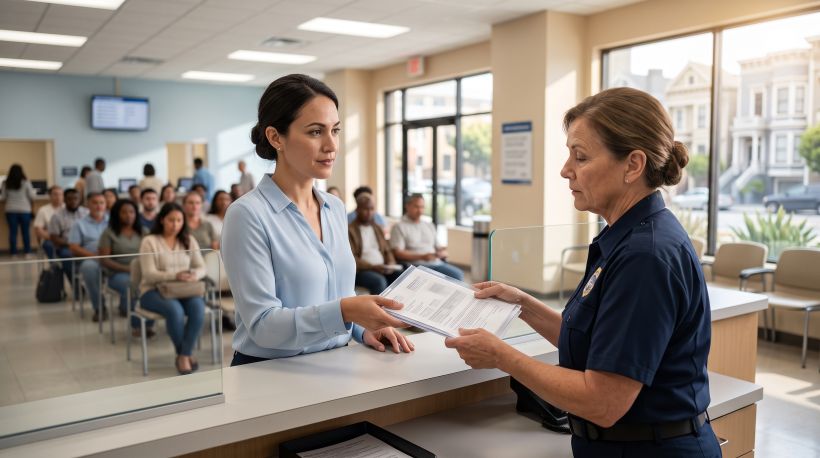
Run a vehicle record check using the plate number and last five VIN digits. Confirm who the DMV shows as the registered owner and whether that name matches the seller who signed the title. If it doesn't, you have a jumped-title situation.
Step 2: Gather every document you have
Collect the signed title, any bill of sale from the person who sold you the car, payment records, and any communication with the seller. This documentation forms the foundation of your REG 256 submission.
Step 3: Attempt to contact the intermediate owner in writing
Send a certified letter to any known address for the seller requesting cooperation with the title correction. Keep the certified mail receipt. Document any other attempts at contact. This evidence strengthens the REG 256 diligent effort submission if cooperation isn't forthcoming.
Step 4: Complete the REG 256 personally
Document the circumstances in detail: how you acquired the vehicle, who sold it to you, what documentation exists for the intermediate transaction, and what efforts you made to contact the previous registered owner. Submit it alongside all supporting documentation.
Step 5: Determine whether a surety bond is required
If the DMV's review of your REG 256 is insufficient to establish the chain of ownership, and the vehicle is worth $5,000 or more, a REG 5057 bonded title application is the next step. This must be submitted in person at a DMV field office with a notarized, original-signature bond from a California-admitted surety company.
Step 6: Complete registration once the title is issued
Once a title is established in your name, accumulated registration fees and penalties can be paid and the vehicle registered. Xtreet handles registration renewals, including delinquent years, in a single online session with your sticker mailed to you.
Common Mistakes When Dealing With a Jumped Title
- Assuming a bill of sale from the person who sold you the car is enough on its own
A bill of sale documents that you purchased the vehicle from that person. It does not fill the gap between the registered owner of record and the seller. You need documentation of every link in the chain.
- Starting the bonded title process before attempting the diligent effort path
The surety bond is required when documentary evidence is insufficient, not as a first resort. A well-documented REG 256 may resolve the situation without the additional cost and time of a bonded title application.
- Submitting the bonded title application by mail
REG 5057 applications must be submitted in person at a DMV field office regardless of how complete the packet is. Mail submissions are rejected.
- Waiting to address the problem because it feels too complicated
The late transfer penalty clock runs from the date of sale. Every month the situation remains unresolved: the penalty increases. The six-week timeline to resolution is not unusual, which means starting the process today matters.
- Contacting the seller through informal channels only
A text message or phone call is not documented contact. For the REG 256 diligent effort submission, certified mail to a known address creates a paper record the DMV can see. Digital communication records (screenshots of messages, email threads) can supplement but ideally should not substitute for written, trackable contact attempts.
- Assuming the seller's NRL protects you
The Notice of Transfer and Release of Liability protects the seller from ongoing liability after the sale. It does not resolve the ownership gap or enable you to register the vehicle. Those are your separate obligations.
How Xtreet Helps
Xtreet is a licensed California DMV partner. For title transfers where the ownership chain is complete and correct, Xtreet's title transfer service processes the application and DMV submission online without requiring an office visit.
For situations involving a jumped title where the chain can be reconstructed through documentation: a complete REG 256 with supporting bills of sale and any available intermediate owner signatures, Xtreet can assist with preparing and submitting the transfer packet. Where a bonded title application under REG 5057 is required, Xtreet handles the DMV filing side of the packet. The surety bond itself must be purchased separately from a California-admitted surety company.
For registration, once the title is resolved, Xtreet processes renewals, including accumulated penalties, in a single online session with sticker delivery by mail.
Note that title transfers in California must currently be submitted by mail or in person at a DMV field office if you want to use the DMV channels. The DMV Virtual Office stopped accepting new title transfer applications after September 20, 2025.
Xtreet's title transfer service remains an available channel for submitting these applications as a licensed DMV partner. And if you want to submit documents offline, you can schedule an appointment at our San Francisco or San Jose offices.
Frequently Asked Questions
What is title jumping in California?
Title jumping is when someone sells a vehicle without ever having transferred the title into their own name through the California DMV. The result is a gap in the chain of ownership: the title shows the previous registered owner as the seller, but there is an unrecorded transaction in between that the DMV has no record of. The final buyer cannot complete a standard title transfer because the registered owner of record is someone they never met and cannot produce for a signature.
Is title jumping illegal in California?
Yes. Title jumping violates California Vehicle Code Section 4463(a)(1), which prohibits possessing or displaying a fraudulent or incomplete certificate of ownership with fraudulent intent. Felony vehicle registration fraud in California carries a sentence of 16 months, two years, or three years in jail and a fine of up to $10,000. Penalties apply whether the title jumping was intentional or the result of a misunderstanding.
How do I know if I have a jumped title problem?
Run a vehicle record check using the plate number and last five VIN digits. Compare the registered owner name in the DMV's system to the name of the person who signed the seller section of the title. If they don't match, you have a gap in the ownership chain. A mismatch between the seller's ID and the name on the title at the point of purchase is the clearest early warning sign.
What is the difference between a jumped title and a missing title?
A missing title means no title document exists or it was lost. A jumped title means the title document exists and was signed, but the person who signed it as the seller was never the registered owner of record with the DMV. Both create ownership problems, but through different mechanisms and with different resolution paths.
Can I fix a jumped title without finding the intermediate owner?
Yes, through the diligent effort process using Form REG 256 with supporting documentation: bills of sale, certified mail receipts documenting contact attempts, and any other evidence of the intermediate transaction. If the DMV determines the evidence is insufficient and the vehicle is worth $5,000 or more, a Motor Vehicle Ownership Surety Bond (REG 5057) is the alternative path.
What forms do I need to fix a jumped title in California?
At minimum: REG 256 (Statement of Facts documenting the ownership gap and your efforts to resolve it), and any bills of sale from the intermediate transaction.
Depending on the situation, you may also need REG 343 (Application for Title or Registration), REG 227 (Application for Replacement or Transfer of Title), REG 101 (Statement of Error or Erasure if the title has corrections on its face), REG 31 (Verification of Vehicle if VIN information needs to be confirmed), and REG 5057 (Surety Bond Application if the diligent effort path is insufficient and the vehicle is worth $5,000 or more).
How long does it take to fix a jumped title in California?
It depends on the specific path. If the intermediate owner is reachable and cooperative, the process can be completed in a few weeks. If the diligent effort path is required without cooperation, the DMV review process adds additional time. A bonded title application submitted in person is typically processed within a few weeks of the complete packet being received.
Budget six to twelve weeks for a full resolution from start to finish, depending on the complexity of the ownership gap.
Can I sue the seller for title jumping?
Yes. Title jumping is classified as fraud in California, and a seller who knowingly transferred a jumped title has committed a fraudulent act against you. You can file a civil claim to recover losses. You can also file a report with the California DMV's Investigations division and with local law enforcement. These legal remedies do not resolve the title problem with the DMV directly but create a record of the fraud that may support your diligent effort documentation.
Can Xtreet help me fix a jumped title?
Xtreet handles title transfers and bonded title filings as a licensed California DMV partner. For situations where the ownership chain can be documented through bills of sale and a REG 256, Xtreet can assist with preparing and submitting the transfer packet. Where a bonded title application is required, Xtreet handles the DMV filing side. The surety bond must be purchased separately from a California-admitted surety company.
Contact Xtreet's support team to identify which process applies to your specific situation.
Conclusion
A jumped title is one of the more time-consuming ownership problems a California buyer can inherit, because the resolution requires reconstructing a transaction that was deliberately or carelessly kept off the official record.
The intermediate owner may be reachable or completely untraceable. The documentation required varies based on which path the DMV determines is appropriate. And throughout the entire process, the late transfer penalty clock runs from the date you purchased the vehicle.
The practical starting point is always a DMV record check before the sale closes. A mismatch between the registered owner on record and the person selling the car is the one signal that stops the whole process until it is explained and resolved.
If you are already past that point and working through a jumped title situation, the diligent effort process with a thorough REG 256 is the first path to try. If the ownership gap cannot be documented sufficiently, the bonded title path provides the alternative.
Xtreet handles the title transfer and bonded title filing side of the process as a licensed California DMV partner, with support for identifying which forms apply and how to structure the submission. Once the title is established in your name, registration can be completed in the same place.