Can You Keep Your License Plate When You Sell Your Car in CA?
Quick answer: If you're asking, "Can I keep my plates when I sell my car?" the answer depends on the plate type. Standard California plates generally stay with the vehicle. Eligible personalized or special-interest plates may be removed and retained, reassigned, or released using Form REG 17. You must also notify DMV of the sale within five calendar days.
California doesn't treat every plate the same. Standard sequential plates normally follow the vehicle, while qualifying personalized and special plates can stay with the plate owner when the correct forms and fees are submitted.
If a sticker or registration card is missing from another eligible California-registered vehicle, you can request a replacement online through Xtreet.
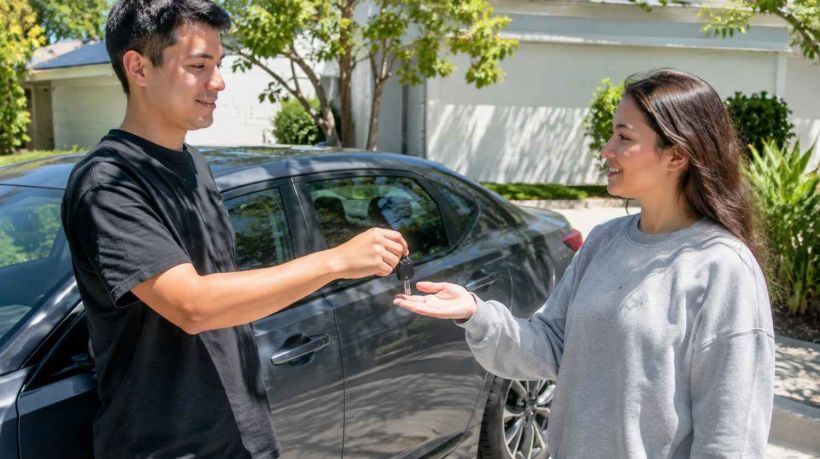
California license plate rules after selling a car
When you sell a car with ordinary sequential California plates, leave them attached unless DMV gives different instructions for the transaction. The buyer normally takes possession of the vehicle with those plates and completes the ownership transfer using the endorsed title.
Don't remove standard plates simply because your name appears on the registration. They remain assigned to the vehicle, and removing them can create avoidable problems when the buyer applies for the transfer.
Personalized, special-interest, special-recognition, and certain restricted plates can follow different rules. Before removing anything, confirm the category on DMV's License Plates page, as a distinctive design alone doesn't prove that the seller can retain or transfer the plates.
While Xtreet can help verify requirements and prepare the necessary paperwork for plate reassignment (such as Form REG 17 or REG 17A), please note that certain specialized plate types still require in-person form submission at a DMV or AAA office.
How to keep personalized plates when selling a car in California
Eligible personalized and special-interest plates can usually be removed before the buyer takes possession. The plate owner may retain them for future use, reassign them to another vehicle, release priority to the buyer, or surrender them.
For sellers still asking, "Can I keep my plates when I sell my car?" personalized plates are the clearest exception. DMV allows the owner to remove and retain personalized plates without immediately assigning them to another vehicle, provided the annual retention fee is paid.
The main options are:
- Retain the plates: Hold them for future use.
- Reassign the plates: Move them to another eligible vehicle registered to the plate owner.
- Release interest: Allow the buyer or another qualifying applicant to request them.
- Surrender the plates: Return them to DMV when they're no longer wanted.
Keeping the physical plates isn't enough to preserve the configuration. DMV's Personalized License Plates Retention procedure requires the retention fee for each year personalized plates remain unassigned. Failure to pay may cancel the owner's interest and make the configuration available again.
Some historical, occupational, recognition, and restricted plates use separate forms or eligibility rules. Confirm the requirements for the exact plate type before removing it.
Steps to keep eligible plates after a vehicle sale
Plate retention is separate from selling the vehicle. Complete the plate transaction and ownership-transfer requirements so both DMV records remain accurate.
1. Confirm the plate type
Identify the plate category before the sale:
- Standard sequential plates: Normally stay with the vehicle
- Personalized or special-interest plates: May usually be retained, reassigned, or released
- Special-recognition plates: May require Form REG 17A and supporting eligibility records
- Year of Manufacture plates: Follow separate REG 352 requirements
- Restricted or occupational plates: May have plate-specific rules
A plate that looks unusual isn't automatically transferable. Check the actual DMV category rather than relying on its design.
2. Remove eligible plates before delivery
Remove qualifying personalized or special-interest plates before the buyer takes possession if you plan to retain or reassign them.
DMV states that the new owner will receive regular plates at no charge when completing the ownership transfer after eligible special plates are removed. Leave ordinary sequential plates on the vehicle.
3. Submit Form REG 17
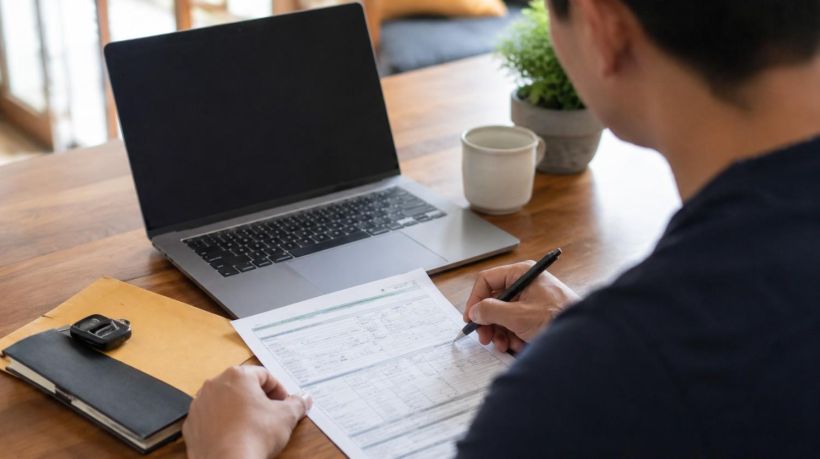
Use the Special Interest License Plate Application, Form REG 17, to request retention, reassignment, release, surrender, or another eligible personalized or special-interest plate transaction.
Provide the plate configuration, owner information, relevant vehicle identification numbers, requested transaction, and signature. Select the option that matches what you want DMV to do. Removing the plates alone doesn't update either vehicle record.
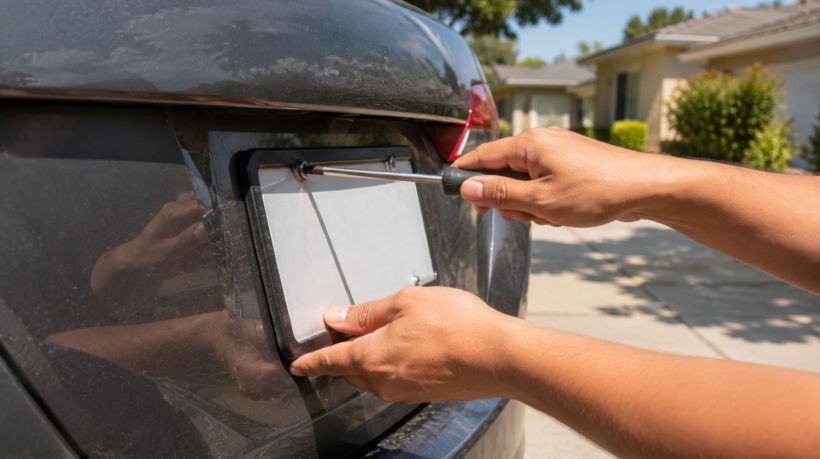
4. Pay the retention or reassignment fees
Fees depend on the plate program and transaction. An annual retention fee may apply when plates aren't assigned to a registered vehicle. Original, reassignment, renewal, replacement, or conversion fees can apply in other cases.
Review DMV's Special Interest and Personalized License Plates Orders page for current process and fee guidance. Don't rely on a single generic transfer amount.
5. Update both vehicle records
Moving special plates to another vehicle affects the vehicle losing the plates and the vehicle receiving them.
For the vehicle the plates are removed from, DMV's reassignment procedure requires Application for Replacement Plates, Stickers, Documents, Form REG 156, and any fees due to keep the vehicle currently registered. DMV states that a substitute plate fee isn't due for this removal transaction.
For the receiving vehicle, submit the applicable REG 17 or REG 17A, its registration records, its current plates, and the required fees. The receiving vehicle must be currently registered or have its renewal fees paid.
Additional requirements can apply when the plate size changes or the receiving vehicle is leased, a motorcycle, or a trailer. Wait until DMV processes the reassignment before displaying the retained plates on the other vehicle.
How to transfer personalized plates to a vehicle buyer in California
A buyer may keep qualifying personalized or special-interest plates already attached to the sold vehicle, but the transfer isn't automatic.
The seller must submit REG 17 releasing priority, while the buyer submits a separate REG 17 requesting the plates and pays the applicable original plate fee. Leaving the plates on the car without those forms does not transfer the configuration.
If the plate owner doesn't release priority, the plates generally must be surrendered unless a qualifying family-transfer exception applies.
California DMV seller notification requirements
Keeping or transferring plates does not notify DMV that the vehicle was sold.
Submit a Notice of Transfer and Release of Liability within five calendar days after the sale or transfer.
You'll need:
- The license plate number and VIN
- The vehicle make and model year
- The buyer's full name and address
- The odometer reading on the transfer date
- The date of sale
- The seller's or lessee's name and address
Save or print the online confirmation. Missing information can prevent DMV from updating the record and may affect the liability protection associated with the notice.
The NRL does not remove the seller's name from the vehicle record or complete the title transfer. Only the buyer's transfer application using the endorsed title can remove the seller from the ownership record. Sign the title correctly, give the required documents to the buyer, and keep copies of your sale and plate records. See How to Transfer a Car Title After a Private Party Sale in CA for the full transfer process.
California license plate sale FAQs
Can I keep my plates when I sell my car?
Yes, if they're eligible for personalized or special-interest plates. Standard sequential California plates generally stay with the vehicle. Remove qualifying plates only when you plan to retain, reassign, surrender, or formally release them through DMV.
How do I keep personalized plates when selling a car in California?
Remove the plates before delivery and submit Form REG 17. Select retention or reassignment and pay any required fees. An annual retention fee may apply while personalized plates remain unassigned.
Can I use my old license plate on my new car in California?
Yes, if DMV approves the reassignment of an eligible personalized or special plate. The receiving vehicle must generally be registered to the plate owner. Standard sequential plates can't simply be moved from one vehicle to another.
How much does it cost to transfer plates in California?
The cost depends on the plate and transaction type. Original, reassignment, renewal, replacement, conversion, or annual retention fees may apply. Check DMV's current special-interest plate information instead of relying on one generic amount.
How do I notify California DMV that I sold my car?
File the Notice of Transfer and Release of Liability within five calendar days. Provide the buyer's name and address, vehicle details, odometer reading, and sale date. Keep the confirmation, but remember that the buyer must still complete the title transfer.
Replace a missing California registration sticker
After the sale, keep your NRL confirmation and any plate-retention or reassignment records. These documents show that you reported the transfer and handled any personalized or special-interest plates correctly.
Xtreet's service applies to replacement sticker or registration card requests for eligible vehicles with active California registration. Plate retention, reassignment, and seller reporting must be handled separately through DMV. For a qualifying replacement request, we can collect the vehicle and owner details, payment, shipping information, and signed REG 156, then provide updates as it's processed.
Replace your California registration sticker online through Xtreet.