Title Transfer vs. Registration Renewal: What's the Difference?
Quick Answer: A title transfer changes who legally owns the vehicle and produces a new California Certificate of Title in the buyer's name. A registration renewal keeps that same vehicle legally on the road; it is done each year by the current owner and produces a registration card and a sticker. They are separate processes with separate fees, separate triggers, and separate documents. Buying a car requires a title transfer. Owning a car requires periodic registration renewals.
This confusion causes real problems. People renew the registration in the prior owner's name, thinking that establishes ownership. It does not. People think transferring the title means their registration is current. It may not be. Here is the complete picture.
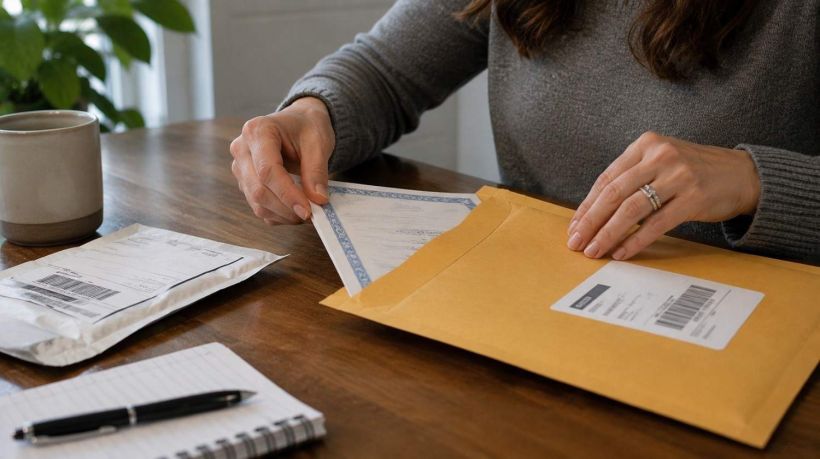
Side-by-Side Comparison
| Category | Title Transfer | Registration Renewal | When You Need Both |
|---|---|---|---|
| Purpose | Changes legal ownership | Keeps vehicle road-legal | When buying a car with expired reg |
| Produces | Certificate of Title | Registration card + sticker | Both documents |
| Triggered by | Change of ownership | Annual expiration date | Title transfer + expired registration |
| Deadline | 10 days from purchase | Before expiration date | 10 days from purchase |
| Base fee | $15 transfer fee | $74 base registration | $15 + $74 + other fees |
| Also charges | Use tax (7.25% base, up to ~10.75% with district taxes) | VLF (0.65% of value), CHP fee, Transportation Improvement Fee, county fees | All of the above |
| Who does it | Buyer + seller | Current registered owner | Buyer (both at once) |
| Required forms | Signed title, REG 343 | Renewal notice or online | Both sets |
| Smog required | Most vehicles at transfer | Biennial for eligible vehicles | Yes, at transfer |
What a Title Transfer Does (and Does Not Do)
A title transfer updates the California DMV's ownership record and produces a new Certificate of Title in the buyer's name. The new title is the legal proof that the vehicle belongs to the buyer.
What it does not do: A title transfer does not automatically renew the vehicle's registration. If the registration has expired at the time of the title transfer, the buyer must pay the overdue registration fees simultaneously.
What a Registration Renewal Does (and Does Not Do)
Registration renewal keeps the vehicle legally registered to operate on California roads. It confirms the vehicle is current on fees, smog requirements, and insurance.
Critical point: Renewing registration in the prior owner's name does NOT transfer ownership to you. If you just bought a car and renewed its registration without completing a title transfer, the DMV still shows the prior owner as the legal owner. You are paying their registration costs with no legal claim to the vehicle.
The VLF Is Assessed at Registration, Not at Title Transfer
The Vehicle License Fee (VLF), California's value-based personal property tax calculated at 0.65% of the vehicle's current value, is assessed at registration renewal, not at the title transfer itself. At the time of the title transfer, you pay the $15 transfer fee and use tax. The VLF appears on your first registration renewal bill in the new owner's name.
When You Need Both at the Same Time
The most common scenarios where both are required simultaneously:
- Buying a car with expired registration: The buyer must complete the title transfer (ownership change) and pay all overdue registration fees and penalties at the same DMV submission. The DMV collects both sets of fees at once.
- Out-of-state vehicles registering in California for the first time: These require both an initial California registration (not a renewal, but similar fees) and a title transfer from the out-of-state title to a California Certificate of Title.
Non-Transferable Registration: The Third State
Non-transferable registration is issued when a vehicle is registered in California, but proper proof of ownership cannot be verified, which is common for out-of-state vehicles where the title situation is unclear. A non-transferable registration allows the vehicle to be kept on California roads but cannot be sold, transferred, or issued a California Certificate of Title until the ownership documentation is resolved.
Converting non-transferable to regular registration requires providing the missing proof of ownership to the DMV, typically the out-of-state title or a bonded title if normal documentation cannot be obtained.
Xtreet Handles Both
Xtreet processes California registration renewals start to finish online, with no DMV line and no paper forms. For title transfers, Xtreet pre-checks your paperwork before submission so it is not bounced back for a rejection or delay. And when both are due at once, such as a newly purchased car with an expired registration, Xtreet handles the combined filing and walks you through it step by step. Whichever situation you are in, you can start it from this page.
Frequently Asked Questions
What is the difference between a title and registration in California?
A title (Certificate of Title) is the legal document proving who owns the vehicle. Registration is the annual authorization to operate the vehicle on California roads. You can own a vehicle (have the title) with expired registration, but you cannot legally drive it.
Do I need to transfer the title before renewing registration?
If you just bought the car, yes, complete the title transfer first. Renewing in the prior owner's name does not make you the legal owner and does not update the vehicle record to show your name.
Does a title transfer automatically renew my registration?
Not always. If the registration is about to expire or has expired, you must pay the renewal fees at the time of the title transfer. The DMV collects both sets of fees together when both are due.
How much does registration renewal cost in California?
The total varies with vehicle value, weight, fuel type, and your county. The base registration fee is $74 (2026), but the Vehicle License Fee, set at 0.65% of the vehicle's value, is usually the largest single component. On top of that you pay a CHP fee, a value-based Transportation Improvement Fee, and county district fees. For most passenger vehicles the annual total lands around $150 to $500 or more. Renew your registration through Xtreet to skip the DMV line.
What is non-transferable registration?
Non-transferable registration is issued when California cannot fully verify proof of ownership, which is common with out-of-state vehicles. The vehicle can stay on the road, but it cannot be sold, transferred, or issued a California Certificate of Title until you provide the missing ownership documentation to the DMV. In some cases a bonded title is the path to resolving this.
Last reviewed by the Xtreet Research Team – June 2026. Information sourced from the California DMV Title Transfers and Registration Fees pages and VC Sections 4000 (registration required), 4150 (original registration), and 4152 (out-of-state vehicle registered to a California resident). Fee figures, including the $74 base registration fee, the 0.65% Vehicle License Fee, the Transportation Improvement Fee, and the $15 transfer fee, verified against the DMV 2026 fee schedule. Use-tax range reflects the 7.25% statewide base plus county district taxes.