How to Transfer a Car Title When the Seller Is Out of State
Quick Answer: When a California resident buys a vehicle that was last registered out of state, the vehicle falls under California's out-of-state registration rule (Vehicle Code Section 4152.5), which generally allows 20 days to apply for California registration once it becomes due. Because California also expects ownership transfers to be completed promptly, the safest approach is to start right after the purchase rather than wait. You will need the out-of-state title signed by the seller, REG 343, proof of California insurance, a smog certificate from a California-licensed station, and a VIN verification (REG 31). The out-of-state title is surrendered to the California DMV in exchange for a California Certificate of Title.
Which situation are you in? Scenario A – CA resident buying a vehicle that was last registered out of state: this is an out-of-state vehicle under Vehicle Code Section 4152.5, so the 20-day registration window applies once registration becomes due. This guide covers Scenario A. Scenario B – Moving to California with your own out-of-state vehicle: also 20 days, measured from establishing California residency or accepting employment here. See our guide on out-of-state vehicle registration in California. (The familiar "10-day" rule is the in-state private-party transfer window for vehicles already titled in California; for an out-of-state vehicle, plan around the 20-day rule and act promptly.)
Both Scenarios Run on a 20-Day Window, but the Trigger Differs
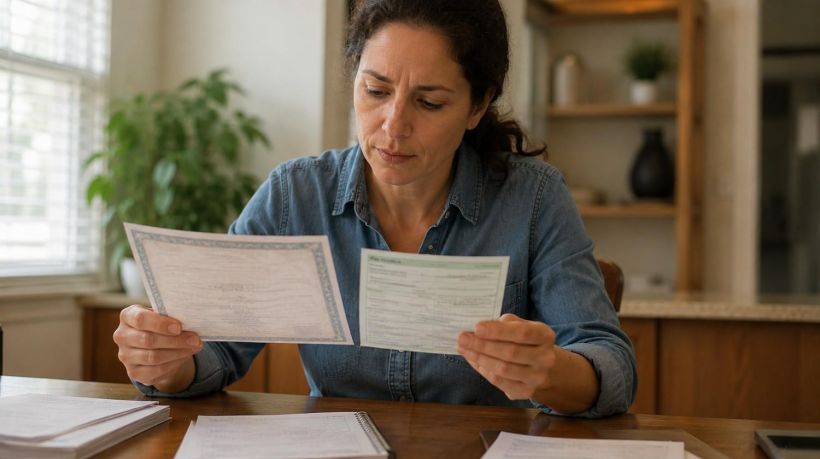
Scenario A (you bought a vehicle last registered out of state) is governed by Vehicle Code Section 4152.5, which gives 20 days to apply for California registration once it becomes due. The vehicle has to be brought onto California's records for the first time, which is why a VIN verification and surrender of the out-of-state title are part of the process. Note that the well-known "10-day" transfer window is the rule for vehicles already titled in California changing hands in state; for an out-of-state vehicle, the 20-day rule is the governing one, and acting promptly avoids any penalty or use-tax timing issues.
Scenario B (you already own the car and are moving here) also runs 20 days, but the clock starts from a different event: when you establish California residency or accept gainful employment in the state (Vehicle Code Sections 4152.5 and 6700), not when you cross the state border. So the length of the window is the same in both cases; what changes is what starts it, a purchase versus becoming a resident.
What the Seller Must Do (Before You Leave Their State)
- Sign the out-of-state title: The seller signs the title in the spaces required by their state's title document. Their signature must match their name exactly as it appears on the title.
- Odometer disclosure: For vehicles of model year 2011 and newer (subject to the 20-year federal disclosure rule), the seller must record the current odometer reading on the title or a separate odometer statement.
- Bill of sale: Not legally required but strongly recommended. Documents the purchase date (starts your clock), purchase price (determines use tax), VIN, and both parties' names.
Note: Some states require the seller to complete additional forms or a state-specific release of liability. Check the requirements of the seller's state before completing the transaction.
What You Need to Submit to California DMV
- Out-of-state title (original): Signed by the seller. California will retain this and issue a California Certificate of Title in your name.
- REG 343 (Application for Title or Registration), signed by all buyers.
- REG 262 (Vehicle/Vessel Transfer and Reassignment Form) -- required for odometer disclosure if the out-of-state title does not include a complying odometer section. Important: REG 262 is NOT available for download on the DMV website, as it must be printed on official security paper. While standard applicants typically have to obtain it in person at a DMV field office, Xtreet clients do not need to make a trip to the DMV—we provide all required original forms and handle them for you as part of our full service. Any required element missing means a rejected packet and a second trip.
- Proof of California insurance: Must meet California minimum liability limits. Your out-of-state policy will not satisfy this requirement; update your insurance to a California policy first.
- Smog certificate from a California-licensed station: Out-of-state inspections are not accepted. Electric vehicles and most vehicles under 4 model years old are exempt. See Failed Smog Check in California: What to Do Next if the vehicle does not pass.
- REG 31 (Verification of Vehicle): VIN verification by a DMV employee, licensed verifier, or CHP officer. Required because California has never recorded this vehicle before.
- Payment: $15 transfer fee + use tax (7.25% base, up to ~10.75% with district taxes, on the purchase price) + base registration ($74) + CHP fee + VLF (0.65% of value) + Transportation Improvement Fee + county fees. If you choose to process your transfer through Xtreet, a standard service fee of $49.95 applies. We also offer a 20% discount on Xtreet service fees for customers facing financial hardships.
For a full fee breakdown see Understanding California DMV Title Transfer Fees.
Electric Vehicles: Smog Exemption Regardless of Origin
All-electric vehicles (BEVs) are exempt from California's smog check requirement, regardless of where they were previously registered or purchased. So if you are buying a Tesla, a Chevy Bolt, or another battery-electric vehicle from an out-of-state seller, you generally do not need a California smog certificate for the transfer. Every other registration requirement still applies in full: REG 343, VIN verification, proof of insurance, and the applicable fees.
What If You Only Have a Bill of Sale (No Title)
If the seller provided only a bill of sale and no title (common in some online vehicle purchases where title paperwork was handled incorrectly), the path forward in California is:
- Contact the seller and request the signed title. This is always the cleanest solution.
- If the seller is unreachable: Apply for a duplicate title from the seller's state (you may need the seller's cooperation for this step; requirements vary by state).
- If the vehicle was never properly titled: The bonded title process under Vehicle Code Section 4157 (with 13 CCR Section152.00) may apply if the vehicle is worth $5,000 or more. See our guide on how to get a bonded title in California.
Also see Can You Sell a Car Without a Title in California for a full breakdown of all available paths when title documentation is missing.
Remote Title Signing: Logistics
If the seller is out of state and you are completing the purchase remotely (not meeting in person):
- Mail the title: Seller signs the title and mails it to you via tracked delivery. Use a trackable service, the original title is irreplaceable.
- Notarized Power of Attorney: In some situations, the seller can grant a notarized Power of Attorney (Form REG 260) authorizing someone (such as a dealer or title agent) to sign the title release on their behalf. Important: a standard power of attorney cannot be used for the odometer disclosure, which requires original signatures from the seller and buyer; only a Secure Power of Attorney is accepted for that part, so for most private remote sales the odometer line should be signed directly.
- Dealer-facilitated purchases: If purchasing through a dealer with out-of-state inventory, the dealer typically handles the title signing and transfer paperwork as part of the transaction.
Use Tax on Out-of-State Purchases
California charges use tax on the purchase price of a vehicle brought into the state, calculated at the buyer's county rate (7.25% base, up to roughly 10.75% with district taxes). If you already paid sales tax in the seller's state, California credits that amount so you are not taxed twice on the same purchase. Keep your bill of sale, since it documents the exact purchase price the tax is based on.
Xtreet Handles the Out-of-State Transfer
An out-of-state transfer has more moving parts than an in-state one: the title surrender, the VIN verification, the California smog certificate, and the REG 262 you can only get in person. Any one of them missing means a rejected packet and a second trip. Xtreet checks which forms your specific out-of-state title actually needs, confirms whether a smog certificate or VIN verification applies to your vehicle, prepares the REG 343 and supporting paperwork, and submits the package for you, tracking it in your account until the California Certificate of Title is issued. If you prefer not to mail original documents (such as your physical out-of-state title or ink-signed REG 31), you can schedule an appointment to drop off paperwork or pick up completed materials directly at our San Francisco or San Jose offices.
Frequently Asked Questions
Do I need a California smog check for a car bought from an out-of-state seller?
Yes, from a smog station that is licensed in California. Out-of-state smog or emissions certificates are not accepted. Electric vehicles are exempt from this whole requirement.
What happens to the out-of-state title when I register in California?
The California DMV retains the original out-of-state title and issues a new California Certificate of Title in your name. You will not get the out-of-state title back.
What is REG 262, and do I need it?
REG 262 is the Vehicle/Vessel Transfer and Reassignment Form, used for odometer disclosure when the out-of-state title does not have a California-compliant odometer section. It must be obtained in person at a DMV office, as it is not available for download online.
How long do I have to register an out-of-state purchase in California?
An out-of-state vehicle falls under Vehicle Code Section 4152.5, which generally gives 20 days to apply for California registration once it becomes due. The separate "10-day" window people often hear about is the transfer rule for vehicles already titled in California. For an out-of-state purchase, plan around the 20-day rule and start promptly after the sale to avoid penalties and use-tax timing problems. See the California Title Transfer Timeline for the full processing timeline after submission.
What if I only received a bill of sale and no title from the out-of-state seller?
Contact the seller and request the signed title first. If unreachable, explore obtaining a duplicate from the seller's state. If that fails and the vehicle is worth $5,000 or more, the California bonded title process under Vehicle Code Section 4157 (with 13 CCR Section 152.00) may be the path forward.
Last reviewed by the Xtreet Research Team – June 2026. Process sourced from the California DMV out-of-state and private-party registration pages and VIRP Manual Chapter 12 (Nonresident Vehicles), VC Section 4152.5 and Section 6700 (the 20-day out-of-state registration window), the REG 262 and Secure Power of Attorney procedures (Chapter 5, Odometer Mileage Reporting), 13 CCR Section 152.00 with VC Section 4157 (bonded title), and the NHTSA federal odometer disclosure rule (49 CFR Part 580, model year 2011 and newer for 20 years). Fee figures verified against the DMV 2026 fee schedule.